

GST Registration Cost in India (2026): Fees & Hidden Charges Exposed

Starting a new business requires immediate clarity on compliance budgets. Getting your GSTIN (Goods and Services Tax Identification Number) is a critical step, but cross-comparing market quotes often leaves entrepreneurs confused about the actual GST registration cost.
At Validraft.in, we understand that structural transparency matters when launching your venture. If you are trying to budget your setup outlays or evaluate a quotation from a legal consultant, here is the clear, law-aligned truth regarding modern GST registration fees and hidden structural charges in 2026.
1. The Real Breakdown of GST Registration Fees
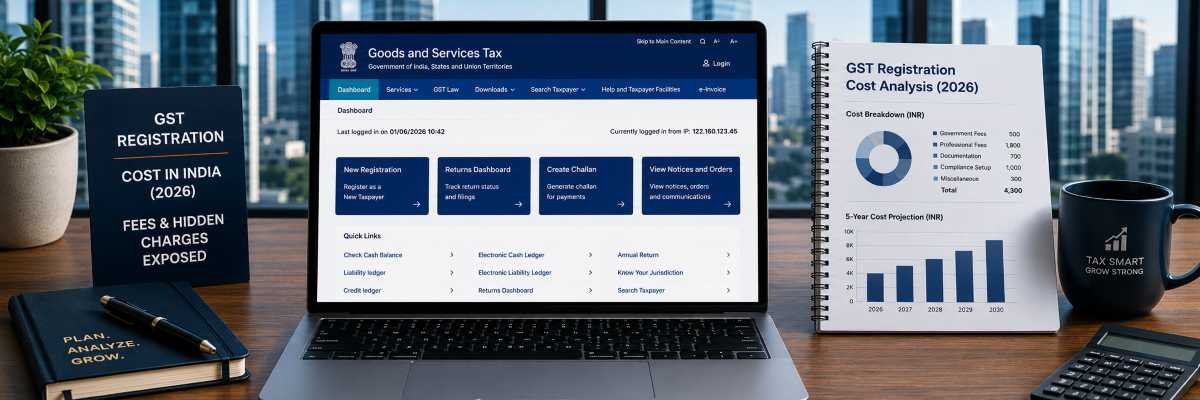
Let’s eliminate the single biggest industry misconception immediately: The Government of India charges exactly ₹0 in statutory application fees for GST registration.
The official government network backbone, the GSTN Portal (www.gst.gov.in), is open access and entirely zero-cost for application submission. Any explicit GST registration charges you face are entirely driven by professional expertise, mandatory identity authentication devices, or essential post-allotment compliance structuring.
| Business Structure | Govt Fee | Avg. Professional Fees | Essential Add-ons | Estimated Budget |
|---|---|---|---|---|
| Sole Proprietorship | ₹0 | ₹1,000 – ₹2,500 | None | ₹1,000 – ₹2,500 |
| Partnership / LLP | ₹0 | ₹2,500 – ₹5,000 | Class 3 DSC | ₹3,500 – ₹6,500 |
| Private Limited Company | ₹0 | ₹4,000 – ₹8,000 | Class 3 DSC + Director KYC | ₹5,500 – ₹10,000 |
| Casual Taxable Person (CTP) | ₹0 | ₹3,000 – ₹6,000 | Advance Tax Deposit | Variable Baseline |
2. Hidden GST Registration Charges to Check Before Hiring a Consultant

When selecting a legal consultant or CA firm, ensure your service agreement covers the entire lifecycle of the registration. Low-cost online registration networks often advertise a bare-bones baseline and then load secondary expenses later. At Validraft.in, we pride ourselves on all-inclusive transparency. Watch out for these three structural components:
- Digital Signature Certificates (DSC): Corporate structures like LLPs and Private Limited Companies cannot sign GST documentation via simple Aadhaar OTP. They legally require a **Class 3 DSC**. If your directors do not hold active tokens, expect a structural hardware addition of ₹1,000 to ₹2,000.
- Clarification and Notice Handling: Approximately 35% of applications encounter a Scrutiny Notice (Form GST REG-03) from jurisdiction officers checking address boundaries or specific HSN/SAC code maps. Many budget platforms charge separate fees (₹1,000+) just to draft the required response loop. Always verify if notice-handling is bundled upfront.
- Mandatory Rule 10A Bank Account Linking: Under strict compliance updates managed via the official GST services tab, you must link a valid business bank account matching your legal name within **30 days** of GST allotment. Missing this automated deadline triggers immediate system suspension of your GSTIN, blocking all invoice generation. Ensure your expert handles this post-registration amendment.
3. Interactive GST Registration Cost Estimator (2026)
To evaluate your direct budget profile and avoid unexpected setup expenses, adjust the corporate options below for a completely transparent view:
4. Self-Filing vs. Hiring a Professional: Is the Cost Justified?
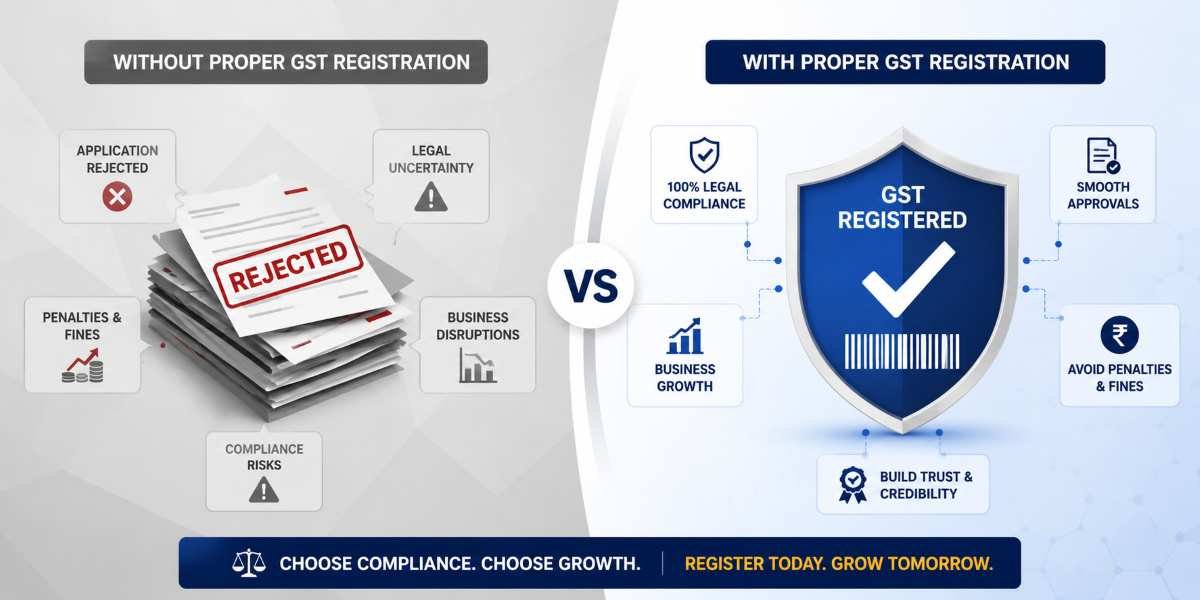
If you have simple documentation and a straightforward business scope, navigating the self-filing route can save initial capital. However, ensure you measure the business operational tradeoffs carefully:
Filing Individually (Cost: ₹0)
- Pros: Zero cash outflow; ideal for small trial configurations with extensive spare time. You can directly log in and file via the Official Government Gateway.
- Cons: High rejection rates due to property proof mismatches, inaccurate structural assignment of primary HSN/SAC codes, and no fallback support for portal validation failures.
Engaging a Validraft.in expert (Cost: ₹1,500 – ₹5,000)
- Pros: Clean file preparation minimizing legal delays, structured configuration of input tax credit channels from day one, rapid turnarounds on department clarifications, and complete insulation from automated procedural issues.
- Cons: Involves a minor initial operational budget allocation.
Ready to Secure an Error-Free GST Setup?
Avoid automated platform suspension risks and legal delays. Connect with our dedicated compliance experts at Validraft for a completely transparent, zero-hidden-fee registration tailored directly to your business structure.